1 Building an 8-bit breadboard computer!
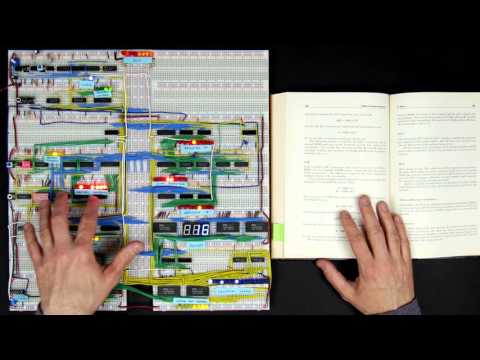
Ben Eater's playlist building an 8-bit computer on breadboards from basic logic chips, widely recommended for understanding how a processor works from the ground up.
Topic
11 videos. Ranked by independent recommendations, not by views.
Ben Eater's playlist building an 8-bit computer on breadboards from basic logic chips, widely recommended for understanding how a processor works from the ground up.
Entry point to Ben Eater's breadboard computer series, linked when someone asks how a CPU, registers or clock cycles work at the hardware level.
Ben Eater builds basic logic gates from transistors, resistors and LEDs on a breadboard; beginners often follow it, then ask how the XOR circuit works.
Ben Eater builds a JK flip-flop and shows why it works only intermittently because of a race condition, cited to settle questions about his earlier latch schematic.
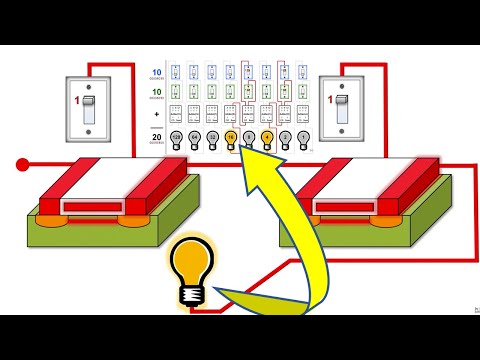
A demonstration of a computer built entirely from relays, linked both as a serious example of relay logic and as a tongue in cheek extreme.
Warmly recommended for learning how a processor works from the ground up by building a simple computer from scratch and seeing code run on real hardware.
Hidden gemExplains how gated latches build registers and a grid of RAM; learners use it as a starting point and ask follow-up questions about the wiring.
Explains hardware debouncing of switches with an RC network feeding a Schmitt trigger inverter, part of a series people cite when cleaning up clock inputs.
An overview of how a processor is organised and executes instructions, offered as background on registers and CPU structure rather than circuit detail.
Part of Ben Eater's 8 bit computer series, this one builds a register from D flip flops and is cited in questions about registers and RAM.
Explains how transistors form logic gates and how those gates add binary numbers, linked when people ask how a computer physically does arithmetic.